
Common Complications of Premature Births
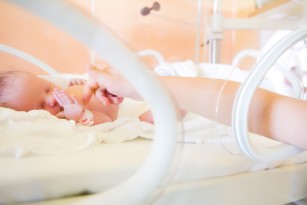
Almost half-a-million babies in the U.S. are born prematurely each year. The earlier a baby is born, the more at risk she is for health complications, both immediate and as she develops. We’ll explain some of the most common health problems associated with preemie babies.
Intellectual disabilities
Most children have a certain window where they reach milestones in speaking, learning, playing and behaving. For babies born prematurely, these milestones may be delayed or come with difficulty.
As babies, preemies usually reach typical milestones like crawling and saying their first words a few months behind their full-term counterparts. A few years later, as they reach pre-school and grade school age, kids who were born prematurely are at a higher risk of struggling with learning disabilities and attention disorders.
Cerebral palsy
Nearly half of all children who develop cerebral palsy were born prematurely. Infection is a significant cerebral palsy risk factor, and preemies are at a higher risk for infection because of how early they leave their mother’s womb.
Neurological causes of cerebral palsy are also closely associated with premature birth, including PVL, the name for a condition caused by damage to the brain’s white matter.
Respiratory and feeding difficulties
Many preemies experience respiratory distress syndrome, or RDS. This is caused when tiny air sacs in their lungs collapse due to the lack of a protein called surfactant. Thankfully, within the last few decades doctors have significantly reduced RDS deaths by treating babies with surfactant.
Apnea of prematurity is a sleep-related respiratory problem marked by extended pauses in breathing while a baby sleeps. This is usually the result of a preemie’s nervous and muscular system not being fully developed. You can read more about different apnea causes and treatments in our Sleep Apnea section.
Feeding can be a challenge for preemies because they sometimes have not yet developed the reflexes or coordination to suck and swallow. Many preemies must be fed through tubes for the first few weeks or months of their life.
Retinopathy of prematurity
This condition, also known as ROP, happens when a preemie’s eyes develop abnormal blood vessels in the retina. If left untreated, ROP can lead to blindness.
Sometimes ROP is mild and corrects itself on its own. Other times, doctors use a laser or other form of treatment to stop the abnormal blood vessel growth.
While all of this may sound scary, the more information you have, the better prepared you’ll be to take preventative measures for your preemie. Medicine has come a long way in recent years, and survival rates for babies born prematurely have drastically improved over the last several decades. In fact, many well-known historical figures were premature babies, including Winston Churchill and Isaac Newton.
To learn more about premature babies and the risk factors for pre-term birth, visit our Preemies section.
Want to connect with other new parents, ask questions and share stories? Join our free Facebook community, MonParents.
Source: Centers for Disease Control, Newborn Infant & Nursing Reviews