What’s the Difference Between SIDS and SUID?

Sudden death during the first year of a baby’s life is one of the most critical pediatric concerns facing doctors and parents today.
What is the difference between SIDS and SUID?
What causes infant deaths, and what can parents do to reduce the risk of SIDS and SUID?
According to the Centers for Disease Control and Prevention (CDC), around 4,000 infants die unexpectedly each year in the United States.
SUID stands for Sudden Unexpected Infant Death. This term includes:
- unexpected deaths by accidental suffocation or strangulation, which can occur as a result of soft bedding or someone else sleeping in bed with the child;
- other types of infant deaths like those from metabolic disorders, hypo- or hyperthermia, poisoning, and even neglect and homicide;
- deaths as a result of Sudden Infant Death Syndrome (SIDS)
SIDS falls under the umbrella of SUID. These deaths cannot be explained by a medical examiner even after a thorough investigation of the circumstances and the scene. SIDS is the leading cause of death for infants under 12 months. Despite these thousands of death each year, doctors still have not identified a definitive cause for SIDS.
The Centers for Disease Control and Prevention (CDC), the American Academy of Pediatrics (AAP) and the National Institute of Child Health and Human Development (NICHD) point out that some sleep conditions correlate to a higher risk of sudden unexpected infant death.
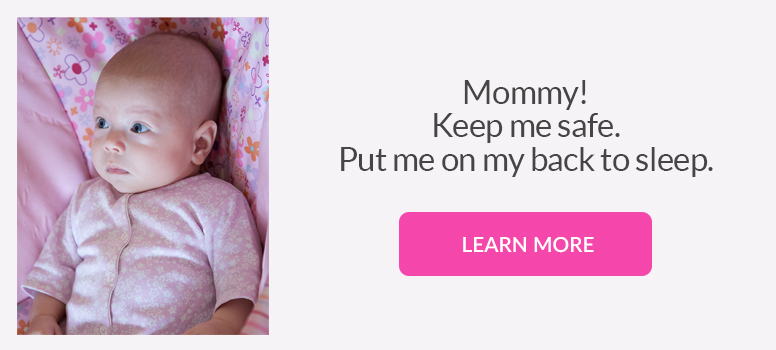
The Back to Sleep campaign was an initiative launched in 1994 with the goal of decreasing the rate of infant deaths by urging parents to put their babies to sleep on their back instead of on their tummies or sides. It was a dramatic success, reducing the rate of unexpected infant deaths by more than 50 percent.
A new baby comes with all kinds of new worries. We know you feel anxious about your newborn with so many questions: how is he sleeping? Is she still breathing? It’s exhausting! Learn more about how MonBaby Baby Breathing and Rollover Monitor in a Smart Button can bring peace of mind in your new life.
SIDS comes suddenly and silently, affecting babies during sleep. It’s difficult to understand the problem beforehand because most infants affected appear normal to both the parent and the physician. It’s difficult to monitor the child when he or she is asleep and typically the parent or caretaker has to come in to check on the sleeping baby.
While there is no guaranteed way to completely prevent SIDS, there are things you can do to lower the risk for your baby by following the CDC’s guidelines for creating a safe sleep environment.
For more information about the topic, visit www.cdc.gov, www.nih.gov and www.aap.org
Connect with other parents, ask questions and share advice by joining our free Facebook community, MonParents.